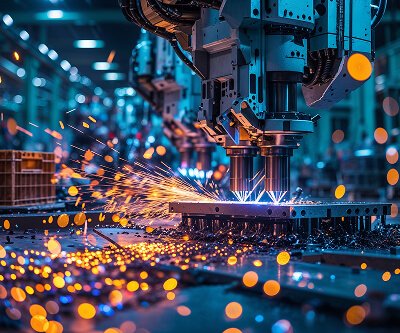

The manufacturing industry is undergoing a remarkable transformation, driven by the need for greater efficiency, precision, and productivity. Among the most impactful innovations shaping modern production environments is Fiber Laser Technology. From metal fabrication and automotive manufacturing to aerospace and industrial engineering, fiber laser systems have become a critical component in achieving superior manufacturing outcomes.
Fiber laser technology offers significant advantages over traditional cutting and processing methods. By utilizing a highly concentrated laser beam, manufacturers can achieve exceptional cutting accuracy while minimizing material waste. This level of precision enables businesses to produce complex components with tighter tolerances and improved consistency, ultimately enhancing overall product quality.
One of the primary reasons fiber laser systems have gained widespread adoption is their ability to deliver high-speed processing without compromising accuracy. Compared to conventional cutting technologies, fiber lasers provide faster cutting speeds, reduced cycle times, and increased production capacity. These benefits allow manufacturers to meet growing market demands while maintaining operational efficiency.
Another key advantage of fiber laser technology is its versatility. Modern fiber laser machines can process a wide range of materials, including mild steel, stainless steel, aluminum, brass, copper, and other industrial metals. This flexibility makes fiber laser systems suitable for diverse industries that require reliable and precise material processing solutions.
In addition to superior performance, fiber laser technology contributes significantly to cost optimization. The high energy efficiency of fiber laser systems results in lower power consumption compared to traditional laser technologies. Reduced maintenance requirements and longer operational lifespans further help businesses lower their overall production costs while maximizing return on investment.
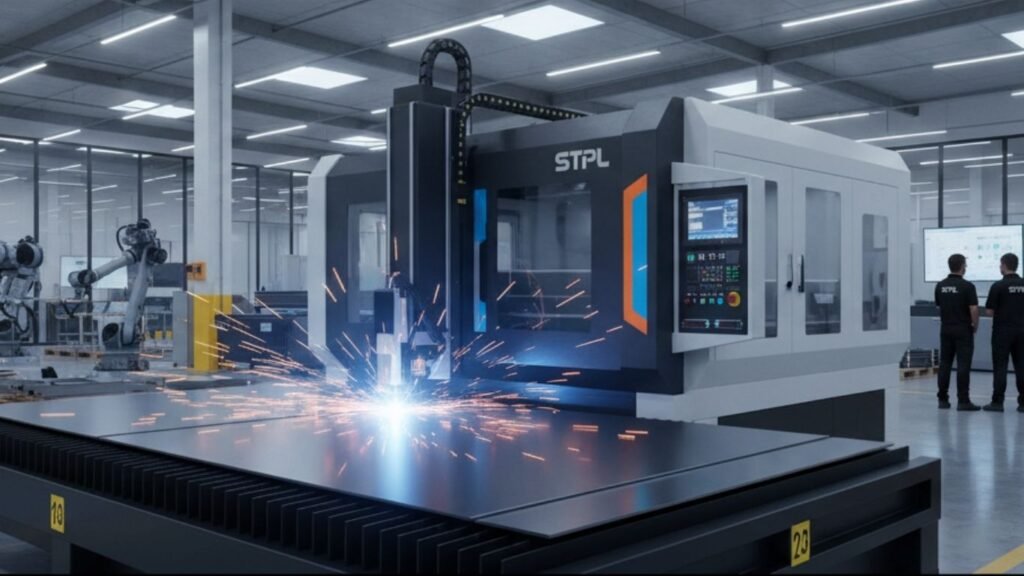
Automation is another area where fiber laser technology creates substantial value. Advanced fiber laser systems can be integrated with automated material handling, loading, unloading, and production monitoring solutions. This integration minimizes manual intervention, improves workplace safety, and enhances overall manufacturing productivity.
Quality assurance remains a critical priority for modern manufacturers, and fiber laser technology plays an essential role in achieving consistent results. The precision and repeatability of fiber laser systems help eliminate common production inconsistencies, ensuring every component meets exact design specifications. This level of reliability is particularly important in industries such as automotive, aerospace, and industrial equipment manufacturing, where precision directly impacts product performance and safety.
As manufacturing continues to evolve toward Industry 4.0 standards, fiber laser technology is becoming an increasingly important tool for achieving smart manufacturing objectives. The combination of advanced engineering, automation capabilities, real-time monitoring, and data-driven optimization enables manufacturers to create more efficient and intelligent production environments.
At STPL, we are committed to helping industries harness the full potential of fiber laser technology through innovative cutting, welding, marking, and cleaning solutions. With over three decades of engineering expertise and a strong focus on industrial automation, we continue to support manufacturers in their journey toward greater productivity, precision, and operational excellence.
The future of manufacturing demands smarter technologies and more efficient production methods. Fiber laser technology stands at the forefront of this transformation, empowering businesses to stay competitive, improve quality, and drive sustainable industrial growth.